


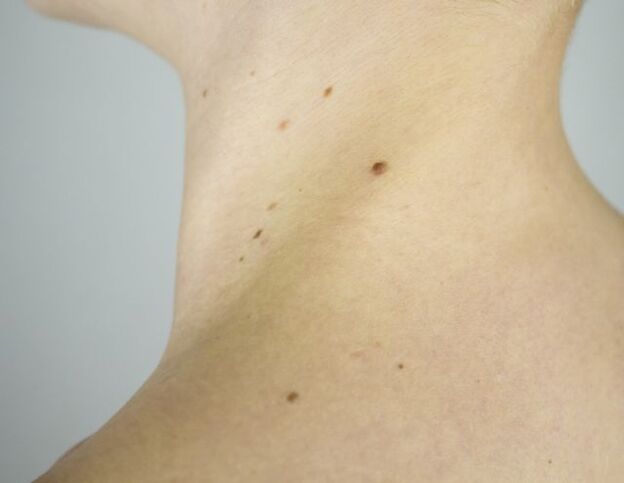
Cervical papilloma is a benign tumor caused by the action of viruses and microorganisms.This pathogen is one of the most common in the world: 70% of the planet's population is infected with various strains of papillomavirus.A small growth on the neck can cause dissatisfaction with appearance, psychological discomfort, and even depression, and if the growths are located in an area in contact with tissue, they can become injured, causing ongoing physical discomfort.Of course, such tumors must be removed urgently.At the same time, cervical papillomas are a sign of a more serious disease, since the virus can lie dormant for a long time and only various dysfunctions of the body lead to the manifestation of the disease.Therefore, in order to restore its health, you need to keep your skin clean and start treatment immediately if growths appear.
What is important to know about cervical papillomas?
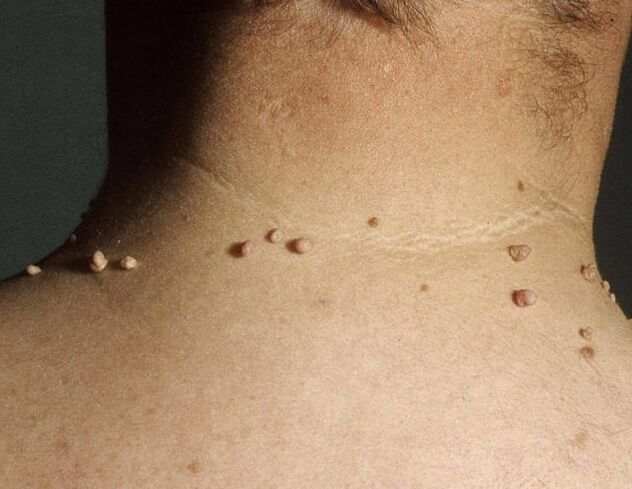
Papillomatosis is a disease caused by specific microorganisms that disrupt the normal process of cell division.Improper division can lead to the formation of growths on the skin.However, over time, papillomas in the neck can increase.Tumor growth is due to the activation of genotypes located in the epidermal cells of the skin in this area.
Notice!The disease is common in both women and men and is not age-related.
The reason why viral microorganisms are located on the epidermis of the neck is that this area is constantly open.In the summer, the skin gets sweaty, dirty, and irritated faster, while in the winter, the skin can be chafed by layers of clothing and scarves.
Human papillomavirus can even enter the body through micro-tears.If the appearance of small papillomas on the neck and their causes do not particularly concern the patient, then the condition may worsen in the future, for example, if the growth affects a large area, or a person accidentally injures the structure (tearing it off with the edge of clothing or jewelry hanging from the neck).
Such structures are classified as benign, but this can only be confirmed through special examinations, and patients are strongly advised not to ignore them.
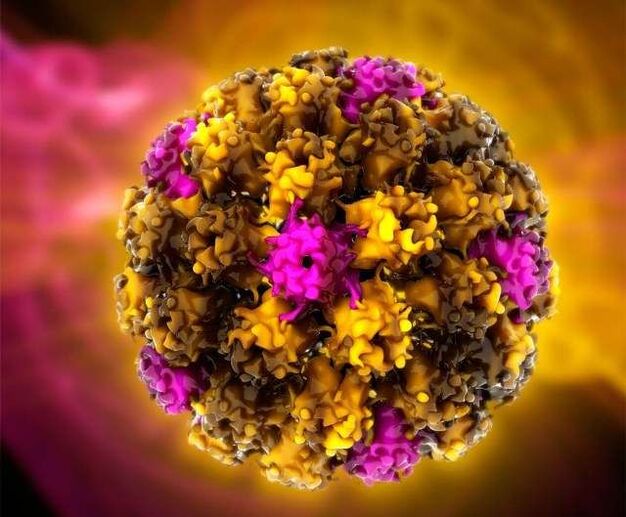
The cause of papillomas in the neck is the activity of HPV, which is mainly spread through sexual contact.In addition, there are other routes of infection, as is clearly demonstrated by the formation of children and adolescents who have not yet reached puberty:
- Contact details and family- When using towels, clothes or other items belonging to a person carrying the disease;
- vertical- Intrauterine infection is less likely to occur when the baby is passed from mother to newborn as it passes through the birth canal;
- self-infection— Failure to observe personal hygiene rules can allow disease-causing viruses to enter the body.
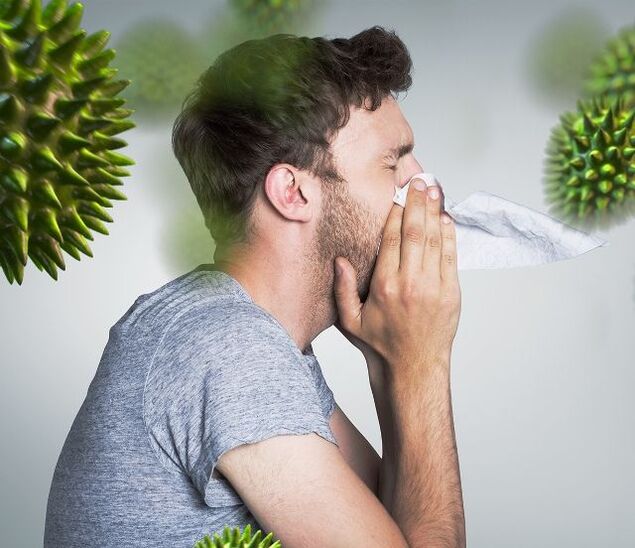
By studying how cervical papilloma develops, medical theorists have discovered that the growth may not appear on the skin long after infection.The disease's incubation period lasts from weeks to months.However, once the host body's protective functions weaken, the virus begins to have harmful effects on the epidermis.
Therefore, the following people are at risk of developing unpleasant skin growths, including cervical papillomas:
- Decreased immunity due to chronic diseases;
- Those who lead unhealthy lifestyles – smokers, alcoholics;
- Dysfunction of the digestive system and metabolic processes.
Neck papillomas, regardless of the reason for their appearance, require treatment.The occurrence of such tumors indicates other pathological processes in the body that disrupt the immune system.
What do papillomas on the neck look like?
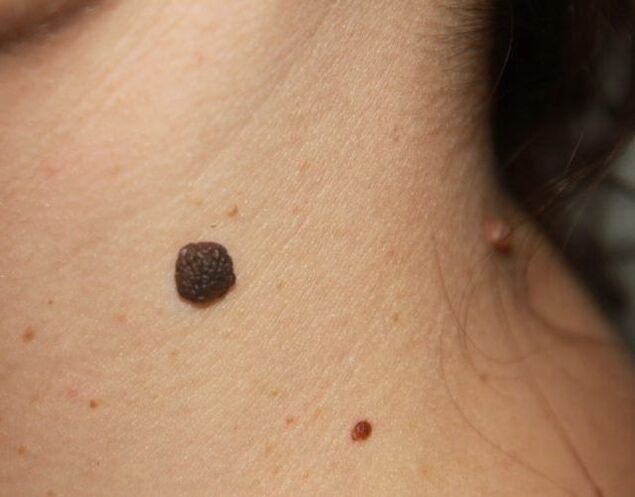
As already noted, periods when HPV does not manifest can last for a long time.But once the host body's protective capabilities decline, the pathogen will show up, such as papillomas appearing on the neck.
In the initial stages of disease development, a person may feel a slight tightening of the epidermis.As the pathology progresses, flat or pointed tumors form on one type of stem.
cervical flat papillomaIt protrudes only 1-2 mm from the surface of the skin, but has a dense structure.The shape can be round or polygonal, and the color can range from flesh-colored to light brown.Over time, the number of growths only increases, and the skin where the growths begin becomes uncomfortably itchy.
elongated formationAt first, they appear as small yellow skin bumps.Their shape then gradually stretches, forming a sort of "mushroom" on a linear stem.
If a papilloma on the neck begins to darken, the skin in the area where it develops becomes painful, and the structure itself bleeds, you should contact a specialist immediately.
Notice!Later in development, the stems of elongated papillomas on the neck can be up to 6 mm long.However, this situation can be called an extreme case.The sooner a patient contacts a specialist, the easier it will be to treat it.
Diagnostic approach to cervical papilloma
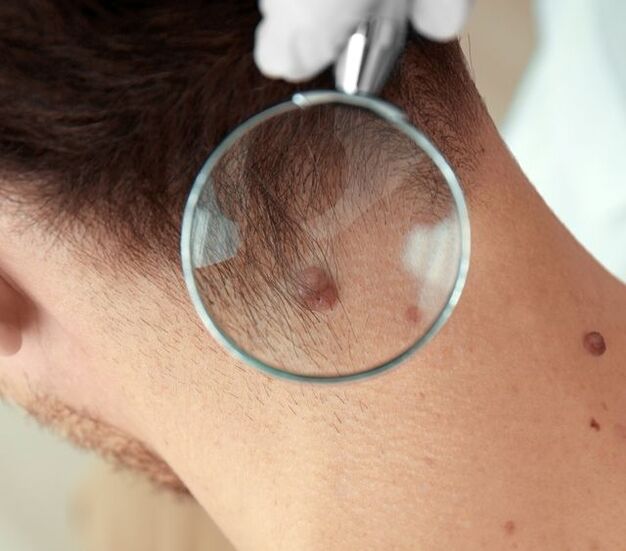
Before deciding how to treat a cervical papilloma, your doctor will carefully study its formation, diagnose the HPV strain, and choose a treatment that will not only eliminate existing growths but also help prevent new growths from appearing.
doctor must takeformation scrapingGenotyping of human papillomavirus.The process is conducted using modern testing.For example, PCR tests indicate whether the virus is present in the body, and Digen tests can even determine the strain and concentration of an infection.
Demolished structures will be sent toBiopsy, as the morphology may be malignant.In some cases, consultation with an oncologist may be necessary.A general diagnosis of the immune system can be done to determine the cause of cervical papillomas.
While the causative virus is identified, tests are also conducted to study general health -blood and urine.Before choosing a treatment strategy, the doctor must determine the health status of the patient - the presence of chronic diseases, infections, inflammatory processes in the body.
How to treat cervical papilloma
Only an experienced specialist can tell you how to treat cervical papilloma.Today, you have a variety of options for getting rid of growths - from using medications to surgery.Do not exclude traditional medical methods that doctors may recommend as auxiliary treatments.
Medical treatment of cervical papilloma
When using medications, a comprehensive approach is important.Immunostimulating drugs activate the body's protective functions and act on disease-causing viruses from within, just like antiviral drugs.For exterior use, solutions and patches are used to aid in the removal of new structures.
A first aid kit for someone with cervical papilloma may include:
- Drugs that activate the immune system.
- means fighting the virus from within.
- A topical patch that helps dissolve the keratinized layer of cervical papillomas.
- Salicylic acid softens the skin.Perhaps this is the most economical means of fighting small formations.Treat the growth with the solution until the formation is completely destroyed.
Removal of cervical papillomas
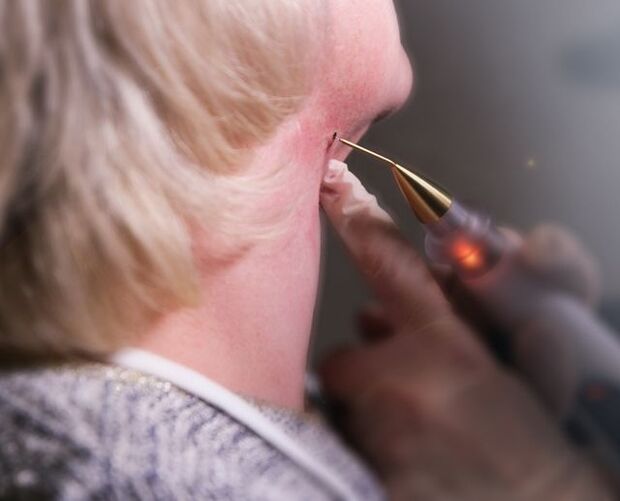
Complete destruction of cervical papillomas using modern equipment or classic surgical methods.Indications for resection may not only be the patient's desire to eliminate an unsightly defect, but also inflammation, bleeding, and pain in the area of the tumor.
The doctor will recommend how to remove the neck papilloma based on the patient's overall health, the volume of material to be removed, and the results of the analysis.
Ways to destroy tumors:
- laser removal.Using high-temperature tools, buildup is removed layer by layer, leaving healthy areas unaffected.Lasers minimize the risk of blood loss.The cost of surgery is quite high.
- Freeze removal.Treat cervical papillomas with liquid nitrogen, then remove the frostbitten area.The surgery requires a long recovery period, but the likelihood of recurrence after surgery is low.It may take several treatments to completely remove the tumor.
- electrocoagulation.Removal is done using an electric current; this method is quite painful but has been shown to be effective.Affordable price.
- surgical method.Today, it is rarely used, only in cases where large papillomas in the neck need to be removed.The cost of surgery depends on the complexity of the work and the anesthetic used.
Notice!Under no circumstances should a papilloma be removed on your own; if this does happen (the growth is accidentally torn), the tear will need to be treated and a doctor consulted.
Traditional Medicine Fights Neck Papilloma

In folk medicine, there are methods for removing cervical papillomas.The most common method is to sear it with fresh celandine or dandelion juice.
Additionally, more complex recipes are used:
- Use Kalanchoe dressing for one week;
- Apply onions soaked in vinegar for two hours to the formation;
- Treatment of cervical papillomas with ammonia;
- Lubricate the growing area 5 times a day with celandine and olive oil (ratio 1:1, leave for a month).
Important!In addition, restorative and anti-inflammatory agents found in lemon balm, nettle and rosehip are recommended.
Prevention of cervical papillomas
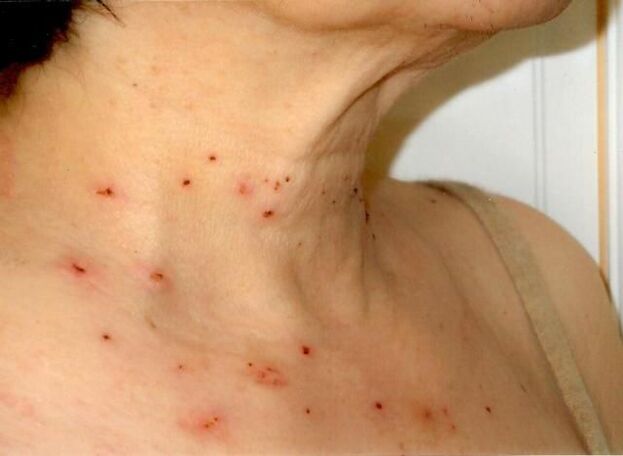
Unfortunately, it is impossible to completely remove HPV from the body.Why?Because pathogenic organisms are tightly embedded in cellular structures.However, if the patient's immunity is maintained, the disease is less likely to progress, and after removal, papillomas in the neck will not form again.
Medications, surgeries and alternative therapies must also be complemented by simple health measures:
- Monitor your diet - avoid junk food, focus more on healthy eating, and normalize your weight;
- Stay awake and avoid stress;
- Perform a set of simple physical exercises every day;
- See your doctor regularly for preventive check-ups and seek unscheduled consultation immediately if you develop any symptoms of disease.
Following these rules will not only help prevent cervical papillomas from coming back, but also generally improve your quality of life.
Neck papilloma is a rather unpleasant phenomenon that, although it does not cause cancer, can still indicate a health problem.Prompt removal of encrustations and a series of recovery procedures will allow you to forget about the unpleasant manifestations of the disease for a long time and preserve the beauty of your body.